
The Ultimate Guide
to Dance
Competition Music
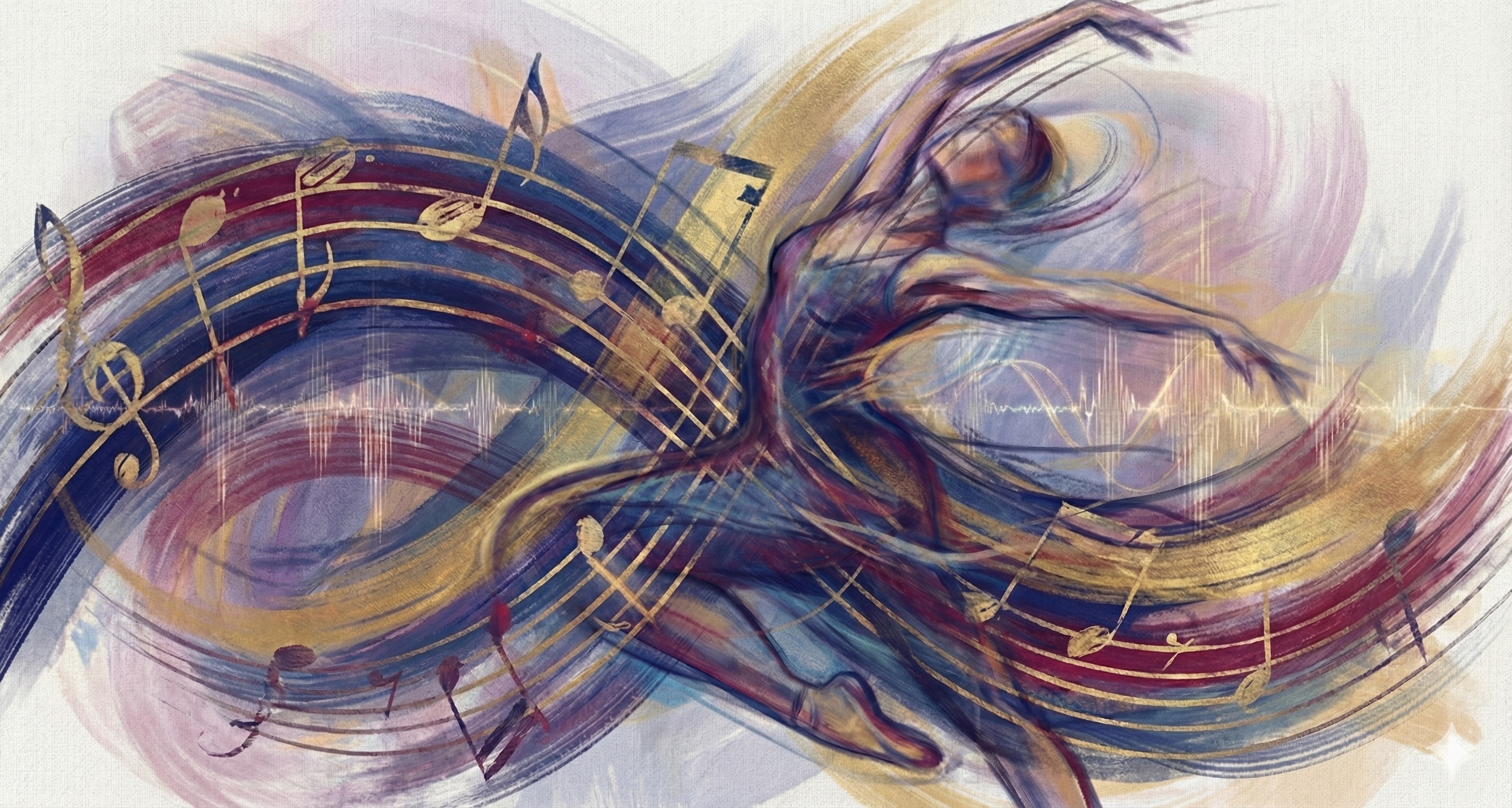
Choosing the right music for a dance competition can make or break your performance. As any experienced dance teacher or choreographer will tell you, the perfect song doesn't just accompany your routine—it elevates every movement, connects with judges emotionally, and sets your performance apart from dozens of others on stage that day.
Whether you're preparing for your first regional competition or gearing up for nationals, this comprehensive guide covers everything you need to know about selecting, editing, and presenting competition-worthy music that helps dancers shine.
Why Music Selection Matters in Dance Competitions
Dance competition judges evaluate performances on multiple criteria: technique, execution, choreography, costume, and musicality. While you might focus most of your preparation on perfecting turns and nailing formations, experienced judges consistently emphasize that music selection plays a crucial role in overall scores.
According to adjudicators from major dance competitions like Starbound, NUVO, and The Dance Awards, music affects judging in several key ways. The song must match the dancers' technical abilities and emotional maturity. Music should enhance choreographic choices rather than compete with them. Appropriate song selection demonstrates the choreographer's artistic vision and understanding of the competition environment.
The Emotional Connection Factor
When a dancer truly connects with their music, it shows. Judges can immediately tell when a performer is simply executing steps versus when they're living inside the music. This emotional authenticity often separates good performances from award-winning ones.
Choosing Music by Dance Style
Different dance genres have distinct musical requirements. Understanding these conventions helps you select songs that showcase your style authentically while still offering room for creative interpretation.
Lyrical and Contemporary Dance Music
Lyrical dance demands emotionally rich music with clear melodic lines and meaningful lyrics. The best contemporary dance songs feature dynamic builds, quiet moments for interpretation, and lyrics that tell a story. Artists like Billie Eilish, Sleeping At Last, and Dermot Kennedy have become competition favorites for their emotionally textured sound.
When selecting lyrical songs for dance, look for tracks with tempo variations that allow for dynamic choreography. The most powerful lyrical performances often feature a quiet opening, an emotional build, and a climactic moment that showcases the dancer's technical abilities and emotional range.
Jazz Dance Competition Music
Jazz routines thrive on music with strong rhythmic patterns and clear accents that allow for sharp, precise movement. Whether you're choreographing classic jazz, Broadway jazz, or contemporary jazz fusion, your music should have defined beats that showcase footwork and isolations.
Upbeat jazz songs for dance competitions often come from musical theater, pop remixes, or funk-influenced tracks. Think Postmodern Jukebox covers, Broadway showstoppers, or artists like Meghan Trainor and Bruno Mars who blend pop sensibility with jazz-friendly rhythms.
Tap Dance Music Selection
Tap dancing requires music where the rhythm serves as a foundation rather than competition. The best tap dance songs have clear, defined beats but leave sonic space for tap sounds to shine through. Many successful tap numbers use songs where certain instrumental elements can be removed or reduced during editing.
Classic tap songs from the Great American Songbook remain popular choices, as do funk tracks, swing music, and even some modern pop songs with strong bass lines. The key is ensuring judges can hear both the music AND your footwork clearly.
Hip Hop Dance Competition Songs
Hip hop routines need high-energy tracks with heavy bass and clear rhythmic patterns. Clean edits or radio versions are typically required for competition settings. Current chart toppers often work well, but classic hip hop tracks with strong beats remain perennial favorites.
When selecting hip hop competition songs, prioritize tracks with memorable hooks, powerful drops, and rhythmic variety that allows for different movement textures throughout the routine.
Acro Dance Music Considerations
Acrobatic dance combines gymnastics with dance, requiring music that provides both momentum for tricks and musical moments for dance transitions. Acro songs for competition should have built-in musical pauses or holds where acrobatic elements can be highlighted.
Many successful acro routines use dramatic, cinematic music that builds tension before acrobatic sequences. The song should support the athletic demands of the choreography while maintaining artistic coherence.
Music Editing Essentials for Competition
Very few songs work perfectly for competition in their original form. Most routines require careful music editing to fit time limits, highlight key moments, and create seamless transitions. Understanding the basics of dance music editing helps you create professional-quality competition tracks.
Meeting Time Requirements
Most dance competitions enforce strict time limits: typically 2:30 to 3:00 for solos and 3:00 to 4:00 for groups. Going over time can result in point deductions or disqualification. Yourmusic must be edited to fit within these parameters while maintaining musical integrity.
Creating Clean Cuts and Transitions
Professional-sounding cuts require matching beats, maintaining key signatures, and creating smooth transitions. Using a music editor designed for dancers, like DanceCuts, makes this process significantly easier than general audio software because the tools are specifically designed for competition music editing.
Adding Sound Effects
Strategic sound effects can punctuate choreographic moments, create dramatic tension, and add production value to your routine. From swooshes and impacts to vocal samples and atmospheric textures, well-placed sound effects demonstrate sophisticated musicality.
Age-Appropriate Music Selection
One of the most critical aspects of competition music selection is age appropriateness. Judges, competition directors, and audiences expect music that matches the emotional maturity of the performers.
For petite and junior divisions, choose songs with upbeat themes, positive messages, and age-appropriate subject matter. Teen divisions can explore more complex emotional themes while still maintaining appropriateness. Senior divisions have more flexibility but should still consider competition standards and audience expectations.
Technical Considerations
Audio Quality Requirements
Competition venues use professional sound systems that will expose poor audio quality. Always use high-bitrate source files (320kbps MP3 minimum, WAV preferred) and export your edited tracks at the same quality level. Low-quality audio can detract from even the best performances.
Backup Files and Formats
Always bring backup copies of your music in multiple formats. Most competitions accept MP3 files, but some require specific formats. Check competition rules in advance and prepare accordingly. Having your music on multiple devices ensures you're prepared for any technical issues.
Key Takeaways
Selecting the perfect dance competition music involves balancing artistic vision, technical requirements, and practical considerations. The best competition songs connect emotionally with performers and audiences while showcasing choreographic and technical skills. Invest time in finding the right music, edit it professionally to meet competition standards, and always prioritize age-appropriate content that allows dancers to perform authentically.
Remember: your music is the foundation of your entire performance. Choose wisely, edit carefully, and let your dancers shine.